Tiếng Việt


 Hệ thống gắn đất
 hệ thống lắp mái
 Hệ thống gắn Carport
 hệ thống gắn kết trang trại
 Easy Solar Kit
 hệ thống theo dõi năng lượng mặt trời
 Biến tần năng lượng mặt trời
 Phụ kiện năng lượng mặt trời
With the elimination of obstacles, battery storage is making progress in Massachusetts
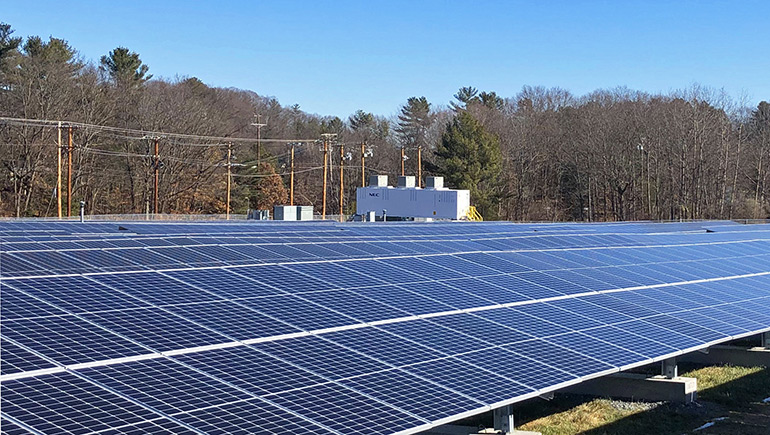
The court believes that the purpose of the legislative body formulating solar energy provisions is to promote solar power generation, and the regulation explicitly includes structures that support or promote the use of solar energy, including the construction of independent BESS facilities. The court rejected the argument that BESS facilities must only store solar power in order to qualify for protection under the Dover Amendment's solar energy clause, expanding the scope of protection to such storage systems and further inferring that BESS structures comply with the meaning of the solar energy clause. Therefore, municipal authorities cannot prohibit or unreasonably regulate such systems. Daksbury's decision is in line with long-standing precedents supporting renewable energy infrastructure in Massachusetts, including in Tracer Lane II Realty, LLC v. Waltham, where the Supreme Court held that restricting solar development without a reasonable purpose to protect public health, safety, or welfare violated the solar provisions of the Dover Amendment.
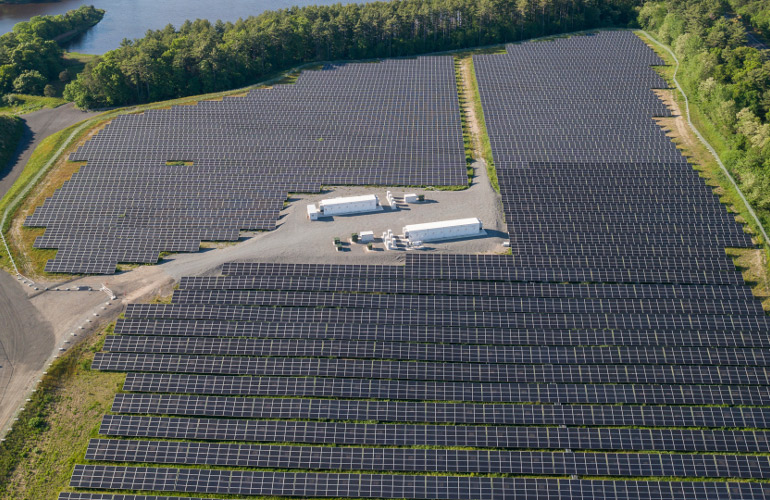
In the past few years, applying for permits instead of installation has been a real obstacle to the development of BESS. Daksbury eliminated a certain degree of complexity by forcing the municipal authorities to establish BESS requirements that are essentially the same as those for solar energy. After the summer of 2025, Massachusetts will work together to standardize the licensing process for all BESS systems. This takes the form of a new zoning charter, which explicitly mentions cases such as Daksbury and Tracking Lane, providing a framework for the municipal authorities to indicate which restrictions are no longer appropriate and better set expectations for developers.
Although Daksbury's decision clarified the statutory protection scope of the BESS project and reduced restrictive local zoning, many cities still focus on safety and operational risks when evaluating proposed facilities; Concerns about such risks, like zoning considerations, strongly influence local decision-making. However, the modernization of engineering and fire safety standards for energy storage has greatly weakened the argument that BESS facilities pose a public safety hazard. Understanding how current standards address and mitigate risks is crucial for comprehending the current framework for reviewing and allowing BESS projects in Massachusetts.
The nationally recognized safety standards and tests, including NFPA 855 and UL 9540A, now provide a framework for system design and operation. Although the risk of fire has not been eliminated, these safety standards significantly reduce the likelihood and severity of heat events.
The study conducted by the American Clean Energy Association in 2025 on 35 recorded BESS fire incidents found that the majority of BESS fires occurred in old systems built before the adoption of current standards. This study emphasizes that the impact of such events on the environment is limited, and "the emissions in the air are short-lived and localized, with minimal risk of soil and water pollution. Existing firefighting strategies further mitigate potential environmental hazards
Of course, BESS approval always comes with some additional security requirements. Massachusetts developers should pay attention to 2020 NFPA 855, not only because it is the latest safety regulation related to BESS, but also because its content has been reproduced in the Massachusetts Fire Code. The threshold for approving the BESS system is still high, but at least it is now clear.
Massachusetts' ambitious clean energy goals make BESS technology a key and cost-effective component for integrating renewable energy generation and ensuring grid reliability. Stronger legal protections, licensing reforms, and improved safety standards have created a more predictable development and licensing environment for BESS developers, driving the growth of the entire federal battery storage project.
Developers entering this market still have to deal with complex zoning frameworks, constantly changing fire safety requirements, and licensing challenges for specific projects.
Đối với các thắc mắc về sản phẩm hoặc bảng giá của chúng tôi, vui lòng để lại cho chúng tôi và chúng tôi sẽ liên hệ trong vòng 24 giờ.
 RM502, Sihai Smart Zone, No.189, Fanghu West Road, Huli District, Xiamen, Fujian, China.



© Bản quyền: 2026 Xiamen Wintop New Energy Tech Co., Ltd.. Đã đăng ký Bản quyền.

Mạng IPv6 được hỗ trợ